Uluru-Kata Tjuta National Park: supporting the Traditional landowners through travel
- Kendal Ann
- May 21, 2020
- 8 min read
Anangu (pronounced arn-ung-oo) are the traditional landowners of Uluru-Kata Tjuta National Park, which is home to some very special places recognized on the UNESCO World Heritage listing. Located in Australia's central desert, the park is home to many historical and cultural landmarks. Ownership was handed back to the traditional landowners in 1985, and the Anangu people have a lease agreement with Parks Australia. In collaboration with the traditional landowners, all policies follow the Anangu traditional law, knowledge, and religious philosophy - Tjukurpa. A portion of the income from travelers visiting cultural landmarks, such as Uluru, directly supports indigenous people.
Just how the Travel Retail industry has evolved from increased worldwide travel, Cultural Tourism is now identified as a subsector of the tourism industry. In Australia, Aboriginal Cultural Tourism is an area defined by the National Parks. It is an important industry to support in order to preserve the Country's cultural history and artifacts. The following post goes in detail about my trip and experience to Uluru-Kata Tjuta National Park, what cultural tourism is, and how to support the Aboriginal people while traveling through Central Australia.
In January and February, I was able to fit in some trips before non-essential travel was banned across the world. All of my trips were within Australia to most places I had been before, but to also a few I hadn't. For the first time, my family came over from the US, and I organized a road trip from Sydney to the Gold Coast, something I have always wanted to do But before my family visited, I was able to go to a place that I have dreamt of going to since I was probably eight years old - Uluru-Kata Tjuta National Park.

Uluru-Kata Tjuta National Park is home to the iconic rock formation and Aboriginal cultural landmark, Uluru. I believe I learned about Uluru when it was still referred to as Ayers Rock during elementary school. I always loved learning about different ecosystems and animals, but I was particularly amazed by Australia. It was also around this time the movie Kangaroo Jack was released, which fueled my travel desire for the Outback. There was just something about the red dirt, the kangaroos, and probably the Australian accents that captivated me.
If I add up the amount of time I have spent living in Australia plus the semester I spent studying abroad, I have been here for three years and eight months. Surprisingly, I didn't make it to the Outback until I hit the 3-year mark. It was never because I didn't want to, it was more expensive than you would think to travel there. I looked at flights constantly. But due to Uluru being so remote, there isn't as much flight traffic. There were times I saw fights for well over $250 one-way. Since I have now traveled more consistently, I have learned how to play the system to find more deals. Holidays such as Black Friday and Boxing Day are now included in airline promotional plans. On Black Friday 2019, I found a flight deal to Uluru for $180 return. I knew that this was a once in a lifetime kind of deal and that this was my chance. I remember saying to one of my friends who traveled with me, if we don't go now, there probably won't be another opportunity to go in the near future. I said this because we were finishing our Master's degrees and had yet started full-time jobs, not because of coronavirus. Looking at the world today through the COVID-19 pandemic, I am more thankful than ever that I convinced my friends to take the trip. The state borders in Australia are closed, and it has been said that the Aboriginal communities are more at risk of the virus than the general public. National parks in the Northern Territory and Western Australia may be the last tourist destinations in Australia to open for visitors.

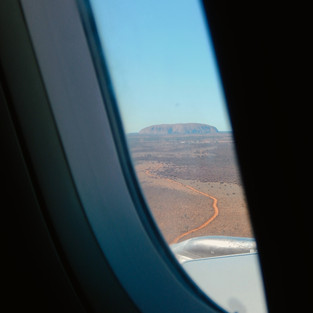


For a quick rundown on the logistics of my trip... I traveled as a group of four girls. All of us Master's students from different countries - two Americans, one Israeli, and one Canadian. We flew direct from Brisbane, Queensland, to the Uluru airport. Leaving on Brisbane's earliest flight, we arrived at Uluru near 9 am and immediately picked up a rental car. Between the four of us, each paid $27 for a rental car for four days and three nights (plus the petrol/gas we used, which was about one tank the entire trip). We shared one room that slept four at the Outback Pioneer Hotel, which was $245 each.
When asked about my experience, it's hard not to say every cliché possible. It truly was breathtaking. We walked around Uluru, drove around it multiple times, and spent hours exploring its surroundings. I don't think I once got tired of looking at it. Seeing Uluru for the first time while flying is something I'll never forget.
Another magical experience was the Field of Light Uluru. The experience was very high on my list of things to do. The Field of Light is an art installation that features multi-color lights across a field that seems never-ending with Uluru in the background. I could only afford the $43 short walking tour of the lights display, but trust me, if I could, I would have paid the $265 for the exclusive 3-course sunset dinner.
To save money, we went to the grocery store in the town square and bought snacks and food for most of our meals. The first night we set up a cheese platter and had wine and watched the sunset. That night will be one of my favorite travel experiences for the rest of my life. Our last night there, we went out to dinner. I tried Kangaroo and Crocodile! I can't say that I'll want to eat either again. But hey, but when you're in the Outback - why not?
I made a short video blog of our time there. Check it out above!
On October 26, 2019, the Uluru-Kata Tjuta National Park board announced that tourists would no longer be allowed to climb Uluru. The announcement is heavily debated in the news, but in my eyes, it was the right decision. Uluru is considered sacred land to the traditional landowners, who have been the rightful owners for tens of thousands of years. Part of the magic of visiting Uluru is learning about the history of the land and the relationships Aboriginals have with different landmarks. Aboriginals believe spirits still reside at Uluru. When visiting, they camp outside of the area and quietly walk in. They ask when others visit, they do the same. Being up close to Uluru and Kata Tjuta, I felt a sense of calm. I wholeheartedly believe the area is a very special place.
Since the hand back to the traditional landowners, informative signs have been placed around the park. There are parts of Uluru and Kata Tjuta they ask not to be photographed due to the spiritual significance. The Anangu can be seen walking around the park and in the town square, and they still hold numerous traditional customs at Uluru.
To read more about the importance of Uluru and Kata Tjuta, visit:
The economic impact of visiting Uluru-Kata Tjuta National Park is a bit different from contributing to the Travel Retail industry. Once the land was handed back to the Anangu people in 1985, a lease agreement was made with Australian National Parks and Wildlife Service, which is now Parks Australia, for 99 years [1]. A management board was created with a majority of members being Anangu, and the park is now run under a joint management agreement. Money generated from tourists visiting the park is used to maintain the park and its facilities, but it is more importantly used to contribute to sustainable community developments [2]. The Central Land Council (CLC), who represent Aboriginal people in Central Australia, make the decisions on how money should be handled, land management, and protect the rights of the traditional landowners [2]. Recent community developments that have been awarded funding include maintenance and upkeep for a community pool, an inma (dance) ground to be built near the pool, and support for the Purple House dialysis clinic [3].
The tenth anniversary of the hand back marked the opening of the Cultural Centre. The Cultural Centre location is inside the park near Uluru. It is essential to stop here when visiting the park due to the opportunity to learn more about the culture of the Anangu people. Along with necessary park information, the centre has free presentations to learn more about the culture and history, art galleries with native artists working, and several community-owned shops [2]. Money spent not only directly goes toward the Travel Retail industry, but it also goes directly to the Aboriginal communities.
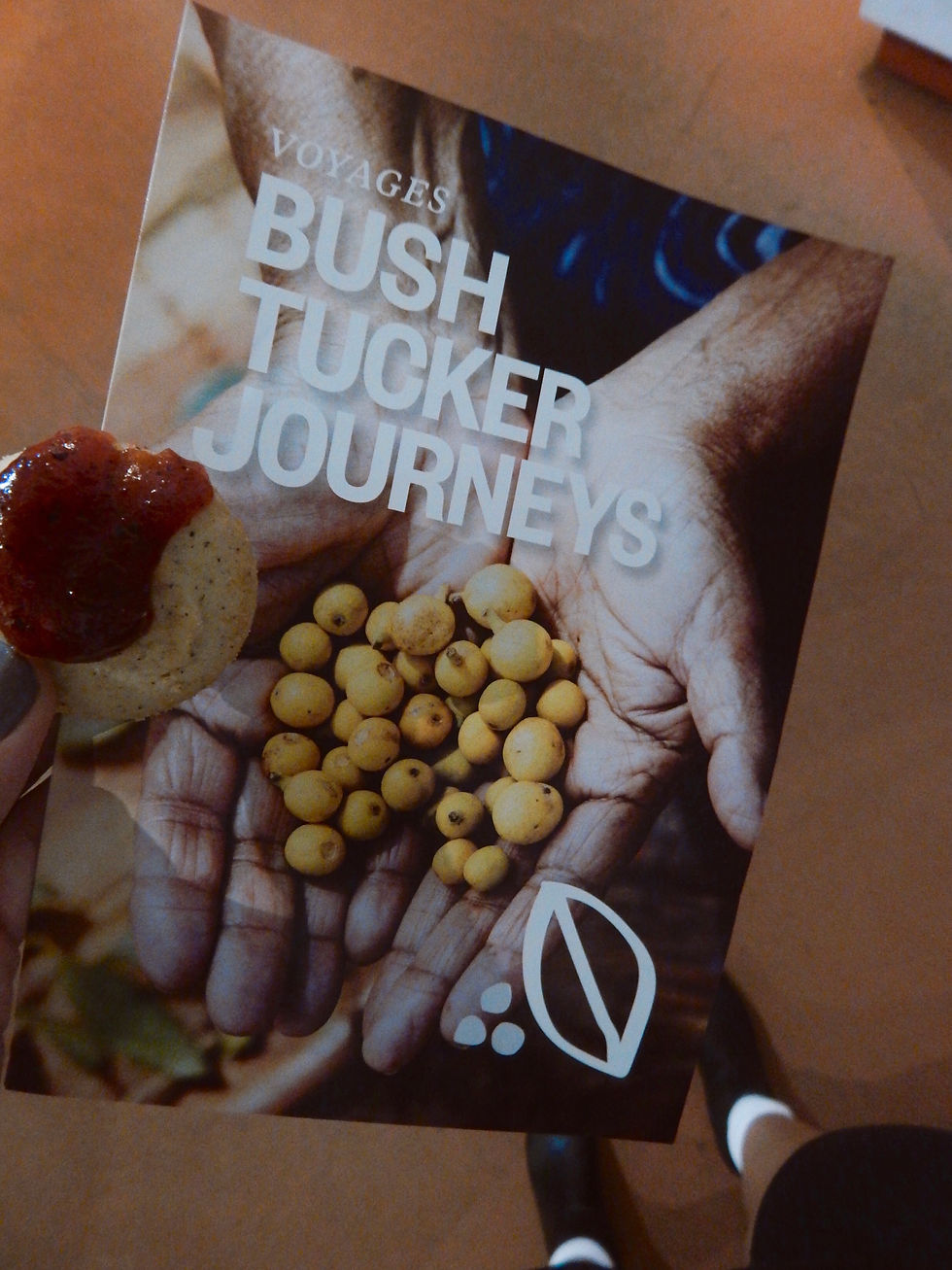
Through my research, it has shown that the aboriginal communities receive 25% of the income from tourist fees [5]. While I believe that this number should be higher, there are additional opportunities to support the local communities while visiting Uluru. Purchasing the native artwork created by the Anangu directly supports the artists. There are numerous opportunities to buy different handcrafted souvenirs either at the Cultural Centre or in the town square. There are Bush Tucker Journeys and garden walks, led by the Anangu, that offers the chance to learn about native Australian foods and plants. There are several non-Aboriginal tourism operators offering experiences and services on Aboriginal-owned land [6]. These operators follow the rules and regulations set out by the joint management agreement with the traditional landowners [7].
In my post about Xiamen, China, I talked about the emergence of the Travel Retail industry. Traveling to Uluru-Kata Tjuta National Park supports the Travel Retail industry, but it also contributes to Cultural Tourism. The idea of cultural tourism relates to a country or region's culture [8]. The United Nations World Tourism Organisation (UNWTO) believes that culture is one of the driving forces behind the growth in tourism [9]. There are positive benefits from those who travel to learn about different cultures. Benefits include the conservation of cultural and artistic heritage, job creation, and the establishment of connections between different cultures [9].
The Office of Environment and Heritage (OEH) defines Aboriginal Cultural Tourism as "sharing by Aboriginal people of their Cultural Heritage and connection to Country. It is an experience that incorporates the values and traditions of Aboriginal people shared in a very personal way"[8]. When traveling to Australia, supporting Indigenous Tourism operators contribute to Aboriginal Cultural Tourism.
By traveling to areas within Central Australia, you are supporting the traditional landowners. It is important to honor the traditional landowners when visiting Uluru-Kata Tjuta National Park. If you are looking to purchase souvenirs, look for items that are handcrafted from the area or purchase directly from the artists at the art galleries.
I can say from experience that I learned so much on my trip and felt how the land is sacred. At the beginning of all of the experiences, the tour operators and the tour group paid respect to the traditional landowners.
I hope that you've enjoyed reading about the details of my trip to Uluru and that you decide to add it to your bucket list!







Have your travels taken you to culturally significant destinations? How have you supported traditional landowners around the world? Comment below!
*All prices are in AUD.
Resources:


Comments